Learn about the Key Services Delivered by a Professional Arborist for Optimal Tree Health
A professional arborist offers a range of services essential for ensuring tree wellness and enhancing landscapes. Their expertise in tree pruning stimulates development and lessens dangers. They also assess and handle tree diseases, making sure personalized treatments are implemented - Florence Arborist. Additionally, arborists perform safe tree extractions and can assist with planting and transplanting. Their role becomes even more crucial during urgent times such as storm damage. Knowing these services can greatly impact one’s approach to tree care
The Importance of Tree Pruning
Although many homeowners might ignore the necessity of tree pruning, it plays an essential role in maintaining the health and aesthetics of trees. Effective pruning assists trees in building a sound framework, eliminating dead or infected limbs that could present dangers. By selectively trimming branches, the tree can concentrate its resources on healthy growth, promoting better air circulation and sunlight penetration. Additionally, pruning can boost the aesthetics of the tree, shaping it for aesthetic appeal in residential landscapes.
Moreover, regular pruning can avoid possible dangers, such as limbs falling during storms or high winds, which could damage property or cause personal injury. It also helps prevent of pest infestations and diseases by improving the tree's resilience. Ultimately, investing in professional arborist services for tree pruning ensures trees stay healthy, safe, and visually pleasing, adding significantly to the overall beauty and value of the property.
Assessing and Handling Tree Diseases
Tree health can be greatly compromised by different illnesses that may not always be readily apparent. A professional arborist is crucial in identifying these issues promptly, utilizing a combination of visual inspections and diagnostic tools. Symptoms such as unusual leaf coloration, wilting, or irregular growth shapes often point to underlying wellness concerns. Arborists examine these indicators to identify specific diseases, whether fungal, bacterial, or viral in nature.
Following the diagnosis, the tree specialist creates a bespoke care program. The plan often involves specific applications, such as bactericides or fungicides, and maintenance techniques that improve the tree's strength. Moreover, proper watering, mulching, and nutrition helps greatly enhance tree health and defense against pathogens. Regular monitoring and follow-up treatments are essential for successful control, securing the long life and health of the trees. By addressing tree diseases proactively, professionals preserve the beauty and ecological benefits provided by healthy trees.
Safe Tree Removal Practices
Safe tree extraction techniques are necessary to ensure safety and minimizing damage to surrounding property. Professional arborists employ a thorough assessment of the state of the tree, its location, and the immediate vicinity before proceeding with removal. Professionals employ dedicated machinery, such as ropes and cutting tools, to ensure accurate cutting and maintain control while cutting down the tree.
A well-planned removal strategy includes identifying potential hazards, such as nearby buildings or utility lines, which can impact the safety of the operation. Professionals commonly utilize the process called "sectional dismantling," in which the tree is removed in smaller segments, reducing the risk of falling debris.
Furthermore, professionals comply with municipal guidelines to guarantee compliance and ecological responsibility. Once the tree is down, proper cleanup and disposal of the remaining wood and brush, including stump grinding, contribute to the overall safety and look of the landscape.
Planting and Transplanting Trees
The process of tree establishment requires careful consideration of choosing the location and installation methods to ensure future vitality and growth. Choosing the correct site significantly influences a tree's development, while proper planting methods reduce trauma and encourage the tree to thrive. Tree specialists highlight these elements as vital for boosting the health and lifespan of trees in any landscape.
Selecting an Appropriate Site

Finding the perfect spot for planting or transplanting trees is vital for their long-term health and growth. Factors such as the condition of the soil, sunlight exposure, and water flow needs careful consideration. Trained tree experts examine the specific site conditions, making sure that the planting location has enough food sources and proper foundation for the trees. Furthermore, the nearness to established constructions and neighboring vegetation is crucial to avoid resource contention and prevent possible harm. Tree specialists also factor in the tree’s maximum height and width and root structure, ensuring sufficient space for growth. Through a comprehensive site evaluation, these professionals assist customers make informed decisions that promote healthy, thriving trees, ultimately enhancing the landscape’s beauty and environmental worth.
Proper Techniques for Installation
Once the site has been carefully assessed and selected, the next step involves employing ideal planting techniques for trees. Preparing the planting hole correctly is crucial; it should be twice the width of the root ball and not deeper than the root mass. The plant must be positioned in the opening so that the crown of the root mass is even with the existing grade. Fill the hole with local earth, checking that all voids are filled, and water thoroughly to encourage early root growth. Applying mulch at the bottom helps retain moisture and inhibit unwanted growth. Florence Arborist. If moving mature plants, it’s important to minimize root disturbance and relocate the plant in its resting phase for the highest rate of success. Implementing these practices fosters healthy growth and extended health
Handling Tree Emergencies After Storms
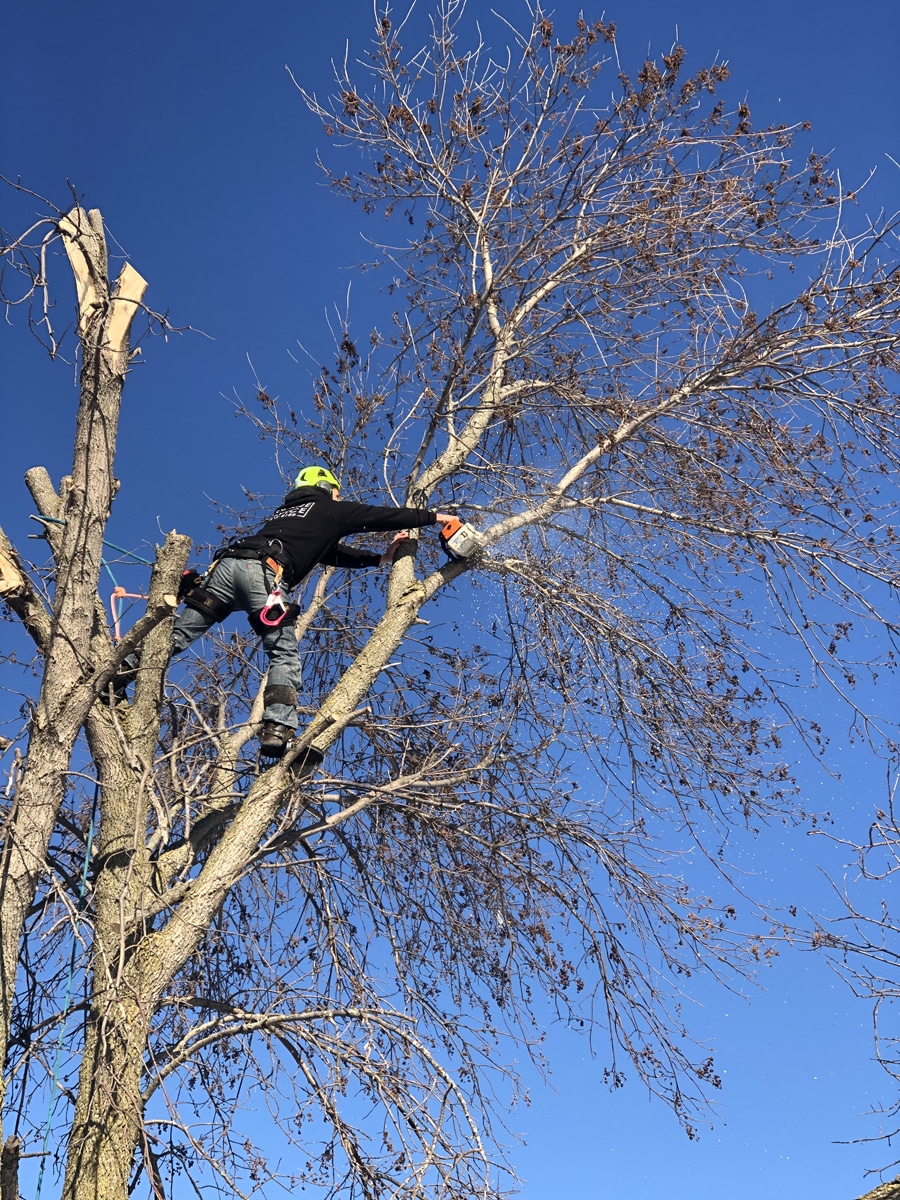
When severe storms strike, the resultant conditions may leave trees in dangerous states, posing risks to property and safety. Trained arborists are essential in crisis management, inspecting weather-damaged trees to determine their stability and health. Their expertise allows them to identify which plants can be saved and which are serious, instant risks that must be removed.
Armed with the right gear, tree experts are able to securely trim fractured limbs and clear debris, preventing subsequent injury to nearby locations. Arborists also offer helpful guidance on risk mitigation, such as picking durable tree varieties for subsequent landscaping.
In addition to immediate response, arborists help homeowners understand the expert tips possible lasting consequences of the storm, providing advice for restoration and healing. By responding rapidly and capably, certified tree experts safeguard assets but also contribute to the restoration of the local environment after severe storms.
Tree Nutrition and Earth Maintenance
Following the aftermath of storm damage, attention turns to the well-being of the trees that remain, underscoring the importance of nutrient assistance and earth maintenance. A certified tree specialist checks ground quality and tree health to ascertain exact dietary needs. Trees require essential nutrients, like nitrogen, phosphorus, and potassium, to recover and thrive after stress events.
Earth maintenance is vital to nutrient availability and the growth of roots. Experts might advise ground improvements, including organic matter, to enhance soil structure and microbe function. The correct pH balance are also evaluated, as they affect how nutrients are absorbed.
Applying mulch can help the soil hold water and prevent weed growth, making a suitable condition for the tree's recuperation. By developing a thorough nutritional plan and using smart soil maintenance methods, arborists guarantee trees regain strength, resilience, and overall health, which is critical for keeping the environment stable following major environmental events.
Questions and Answers
When Should My Trees Be Checked?
Trees should be evaluated annually for peak health. However, checking them more often could be needed for younger trees, following harsh storms, or if distress or illness becomes apparent.
What Qualifications Should I Look for in an Arborist?
When hiring a tree specialist, one should prioritize certifications such as ISA (the ISA) accreditation, relevant experience, proper liability insurance, and a solid name locally, confirming knowledge in tree care and safe procedures.
Are There Specific Tools Arborists Use for Tree Care?
Arborists utilize a range of unique equipment for tree care, including chainsaws, pruning shears, climbing gear, and stump grinders. Each tool serves a specific purpose, allowing for proper upkeep, pruning, and removal of trees and boosting total well-being and safety.
What is the Influence of Climate on Tree Health?
The climate significantly affects tree health; excessive rain can lead to root rot, while dry spells put strain on trees. Temperature extremes may cause damage to leaves and branches, which affects development, sturdiness, and general health of the trees.
Am I able to care for my trees personally, or Do I need to call in a specialist?
Although certain simple tree maintenance jobs are manageable by homeowners, it's often wise to employ a professional - Florence Arborist. Experts possess specialized knowledge and tools, making certain the trees obtain the appropriate care required for optimal development and health